
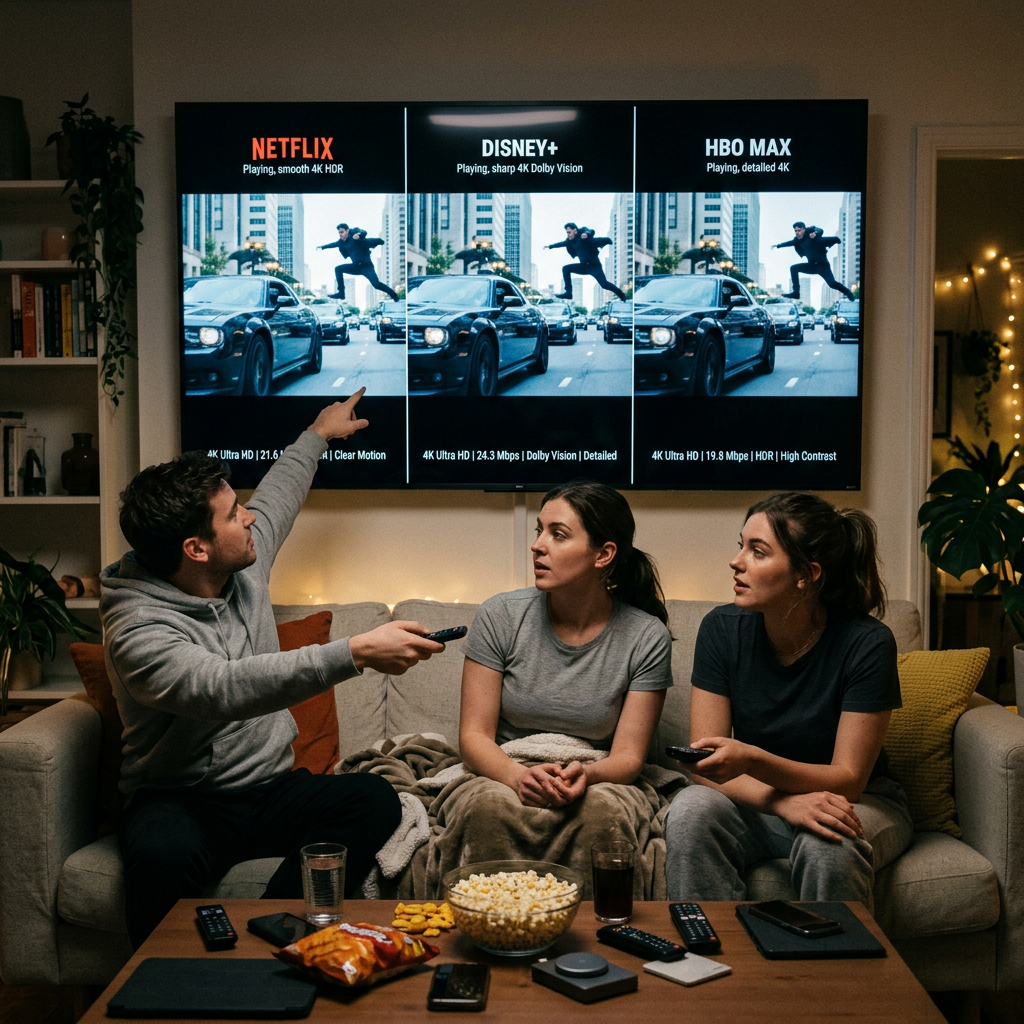
Streaming Video Options – Comparisons
In today’s digital landscape, streaming video services have emerged as the dominant mode of content consumption, transforming how audiences engage with movies, television shows, and original programming. With an array of platforms available—rang
ing from established giants like Netflix and Amazon Prime Video to newer entrants such as Disney+ and Hulu—consumers are presented with a plethora of options tailored to diverse preferences and viewing habits. This article aims to provide a comprehensive comparison of the leading streaming video options, evaluating key factors such as content libraries, subscription costs, user interface, and unique features.
By scrutinizing these elements, we will equip readers with the necessary insights to make informed decisions that align with their entertainment needs. As the competition within the streaming market intensifies, understanding the strengths and weaknesses of each service is essential for viewers seeking to maximize their subscription value. Whether you are a casual viewer or a dedicated cinephile, this analysis will illuminate the choices available, helping you navigate the evolving landscape of streaming video and select the platform that best fits your lifestyle. Join us as we delve into the intricate world of streaming video options and uncover what each service has to offer.
– Popular Platforms: Key Features Evaluated
When evaluating popular streaming platforms, several key features stand out that significantly influence user experience and satisfaction. Content library diversity is paramount, as platforms that offer a wide range of genres and exclusive titles tend to attract larger audiences. Additionally, user interface and accessibility play critical roles in the platform’s usability, with intuitive navigation and search functionalities enhancing viewer convenience.
Another important aspect includes subscription pricing models and the availability of ad-supported options, which cater to varying consumer preferences and budgets. Furthermore, the quality of streaming, encompassing video resolution and buffering speeds, is essential in determining the overall viewing experience. Features such as offline downloads, multiple user profiles, and personalized recommendations also contribute to a platform’s appeal, as they enhance user engagement and accessibility, ultimately shaping consumer loyalty in a competitive market.
Explore major streaming services and their unique features for informed decisions.
the decision-making process for potential subscribers.
Platforms like Netflix are renowned for their extensive library of original content, including critically acclaimed series and films, which often serve as key differentiators. Amazon Prime Video, on the other hand, offers unique features such as integration with other Amazon services and the ability to rent or purchase additional titles outside the subscription model. Disney+ leverages its vast catalog of beloved franchises, appealing especially to families and fans of animation, while Hulu combines live television with on-demand streaming, providing a hybrid experience for viewers seeking real-time content. HBO Max is distinguished by its premium offerings, including the latest blockbuster films and popular series, while platforms like Peacock and Paramount+ capitalize on their extensive back catalogs and live sports. By analyzing these distinctive features, consumers can make informed choices that align with their viewing preferences and lifestyle.
– Pricing Structures: Budget-Friendly Choices
affordability and viewing preferences. Many streaming services now offer tiered pricing options that cater to a range of budgets, making it easier for subscribers to choose plans that align with their financial constraints. For instance, some platforms provide ad-supported tiers at lower price points, allowing users to access a substantial library of content without the commitment of a full subscription. This approach not only broadens accessibility but also introduces viewers to premium offerings they might otherwise overlook.
Moreover, promotional offers and bundled deals frequently enhance the budget-friendly appeal of various services. Platforms often collaborate with telecommunications providers or other subscription services to create packages that deliver more value for a modest additional fee. By strategically evaluating these options, consumers can maximize their viewing experience while minimizing costs, ensuring they find a streaming solution that suits both their entertainment needs and financial situation.
Compare subscription costs and find the best value for your streaming needs.
when assessing subscription options, it is essential to consider both the breadth of content available and any additional features that may enhance the viewing experience. Different platforms may excel in specific genres or offer exclusive content that could sway a decision. For instance, a service known for its extensive library of documentaries might be more valuable for enthusiasts of non-fiction than a competitor with a broader selection of generic entertainment. Evaluating user interfaces, simultaneous streaming capabilities, and download options can further inform one’s choice, as these factors significantly impact overall satisfaction.
Additionally, it is prudent to factor in the frequency of content updates and original programming. Services that consistently release new shows and films can provide ongoing value, ensuring subscribers remain engaged over time. Users should also be aware of the terms associated with each subscription, including cancellation policies and any price increases after an introductory period. By conducting a thorough comparison of these aspects, individuals can make informed decisions that not only fit their budget but also meet their specific entertainment preferences.
– Content Libraries: Variety and Availability
The richness of content libraries across various streaming platforms plays a crucial role in attracting and retaining subscribers. A diverse array of genres, from classic films to contemporary television series, is essential for catering to the varied tastes of a broad audience. Additionally, the availability of exclusive or original content can serve as a significant differentiator, drawing users towards platforms that invest in high-quality productions. This not only enhances the overall viewing experience but also fosters a sense of community among fans of specific shows or franchises.
Moreover, the frequency and reliability of content updates can greatly influence subscriber satisfaction. Services that regularly refresh their libraries with new offerings keep their audiences engaged, while also providing ample opportunities for discovery. The combination of variety and consistent availability ensures that subscribers have a reason to return to the platform, thereby maximizing their investment in the service. This emphasis on a well-rounded content library reflects a platform’s commitment to meeting user needs and preferences in an increasingly competitive landscape.
Assess the range of movies and shows offered by each streaming platform for diversity.
When evaluating the diversity of content on streaming platforms, it is essential to consider both the variety of genres and the representation of different cultures and communities. Some platforms have made significant strides in curating films and shows that highlight underrepresented voices, ensuring a wider array of narratives and experiences. For instance, offerings that include international films, documentaries on social issues, and series featuring LGBTQ+ characters not only broaden the viewing landscape but also provide viewers with a more inclusive understanding of the world.
In contrast, other platforms may still lag behind, focusing primarily on mainstream blockbusters and popular genres without adequately showcasing diverse storytelling. This disparity in content can affect audience engagement, as subscribers increasingly seek platforms that reflect their values and interests. A commitment to diversity is not only a moral imperative but also a strategic advantage, enhancing the attractiveness of a platform by fostering a richer, more engaging viewing experience for a global audience.
In conclusion, the landscape of streaming video options is diverse and continually evolving, offering viewers an array of choices tailored to various preferences and budgets. From subscription-based services like Netflix and Amazon Prime Video, which provide extensive libraries of original and licensed content, to ad-supported platforms such as Tubi and Pluto TV that allow for free viewing, consumers have more flexibility than ever. Additionally, the rise of niche services catering to specific interests, such as Criterion Channel for film enthusiasts and Crunchyroll for anime fans, highlights the importance of personalization in today’s media consumption. As competition intensifies, it is crucial for viewers to evaluate their own viewing habits and prioritize the platforms that best meet their needs. Ultimately, understanding the distinctions among these streaming options will empower consumers to make informed decisions, optimizing their entertainment experiences.
FAQ
Sure! Here are five questions that focus on comparing different streaming video options:
- How does the content library of Netflix compare to that of Amazon Prime Video in terms of original programming?
- What are the differences in subscription pricing between Hulu and Disney+ for ad-supported and ad-free plans?
- How do user interfaces and accessibility features differ between Apple TV+ and HBO Max?
- Which platform offers better offline viewing options: YouTube Premium or Paramount+?
- How do the streaming quality and supported devices vary among Peacock and Sling TV?
Content Library Comparison: How do the content libraries of major streaming services like Netflix, Hulu, Amazon Prime Video, and Disney+ compare in terms of original programming, licensed content, and genre variety?
Netflix leads with a vast array of original programming across genres, producing high-profile series and films. Hulu offers a mix of original shows and a strong selection of current TV episodes, focusing on episodic content. Amazon Prime Video combines original content with a robust library of licensed films and series, appealing to diverse tastes. Disney+ focuses on family-friendly content, offering exclusives from Disney, Marvel, Star Wars, and Pixar, though with less variety in genres compared to others. Overall, Netflix excels in originals, while Hulu and Amazon provide a balance of licensed content, and Disney+ specializes in franchises.
Pricing and Subscription Models: What are the differences in pricing structures and subscription models among popular streaming platforms, including ad-supported tiers versus ad-free options, and how do these impact user experience?
Popular streaming platforms offer various pricing structures, typically including ad-supported tiers at lower prices and ad-free options at higher costs. For example, services like Hulu and Peacock provide affordable ad-supported plans, allowing access to content with interruptions, while premium tiers eliminate ads for a smoother viewing experience. This impacts user experience significantly; ad-supported models may attract budget-conscious users but can frustrate those seeking uninterrupted content. Conversely, ad-free options cater to users prioritizing seamless enjoyment, often enhancing perceived value despite higher costs. Ultimately, the choice depends on individual preferences regarding budget, viewing habits, and tolerance for advertisements.
User Interface and Accessibility: How do the user interfaces and accessibility features of various streaming services differ, and what impact do these differences have on user navigation and overall satisfaction?
User interfaces (UIs) and accessibility features of streaming services vary significantly, affecting navigation and user satisfaction. Some platforms prioritize intuitive layouts, with easy-to-find content categories and search functions, enhancing user experience. Others may lack clear organization or offer limited accessibility options, such as screen reader compatibility or subtitle customization, making navigation challenging for users with disabilities. Services that prioritize inclusive design often see higher overall satisfaction, as they cater to diverse user needs, while those neglecting accessibility may alienate or frustrate segments of their audience, ultimately impacting retention and engagement.
Streaming Quality and Device Compatibility: How do the streaming quality (resolution, buffering times) and device compatibility (smart TVs, mobile devices, gaming consoles) vary across different platforms, and what factors should consumers consider when choosing a service based on their devices?
Streaming quality and device compatibility vary significantly across platforms. Higher resolutions (like 4K) require robust internet speeds, affecting buffering times. Some services optimize for specific devices, ensuring better performance on smart TVs and gaming consoles, while mobile apps may prioritize lower resolutions for quicker loading. Consumers should consider their internet bandwidth, the devices they own, and any specific resolution preferences. Additionally, checking for platform-specific features, such as HDR support or offline viewing, can enhance the streaming experience based on their devices.
Geographic Availability and Restrictions: How do geographic availability and content restrictions differ among streaming services, and what tools or methods can users employ to access content that may be region-locked?
Geographic availability and content restrictions vary among streaming services due to licensing agreements, resulting in certain shows or movies being accessible only in specific regions. Users can employ VPNs (Virtual Private Networks) to mask their IP addresses and appear as if they are accessing the internet from a different location, allowing them to bypass these restrictions. Additionally, proxy servers and smart DNS services can also help users access region-locked content. However, it’s important to note that using these methods may violate the terms of service of some streaming platforms.